
This post contains affiliate links. I may earn a small commission at no extra cost to you.
Medical Disclaimer: This post is for informational purposes only and is not medical advice. Always consult your healthcare provider before making significant changes to your diet, especially if you have a chronic health condition.
Inflammation is at the root of nearly every chronic disease — heart disease, diabetes, arthritis, Alzheimer’s, and even cancer. Yet most of us were never taught that one of the most powerful tools for fighting inflammation is sitting right in our grocery store.
Food is not just fuel. It is information that tells your body how to behave at the cellular level. Every meal is either quietly feeding inflammation — or quietly fighting it.
God, in His wisdom, filled the earth with foods that heal. This list is your practical guide to the best of them. Bookmark it, print it, and take it shopping with you.
What Is Inflammation — and Why Does It Matter?
Inflammation is your immune system’s natural response to injury, infection, or threat. Acute inflammation — the redness and swelling around a cut, for example — is healthy and necessary. It’s your body healing itself.
Chronic inflammation is different. It is a low-grade, persistent immune activation that simmers quietly in the background for years — damaging tissues, disrupting hormones, and laying the groundwork for serious disease. Unlike acute inflammation, you often can’t feel it happening until significant damage has already occurred.
The standard American diet — high in processed foods, refined sugars, industrial seed oils, and artificial additives — is one of the primary drivers of chronic inflammation. The good news is that shifting toward anti-inflammatory whole foods can reduce inflammatory markers significantly, often within just a few weeks.
The Complete Anti-Inflammatory Foods List
🫐 Fruits
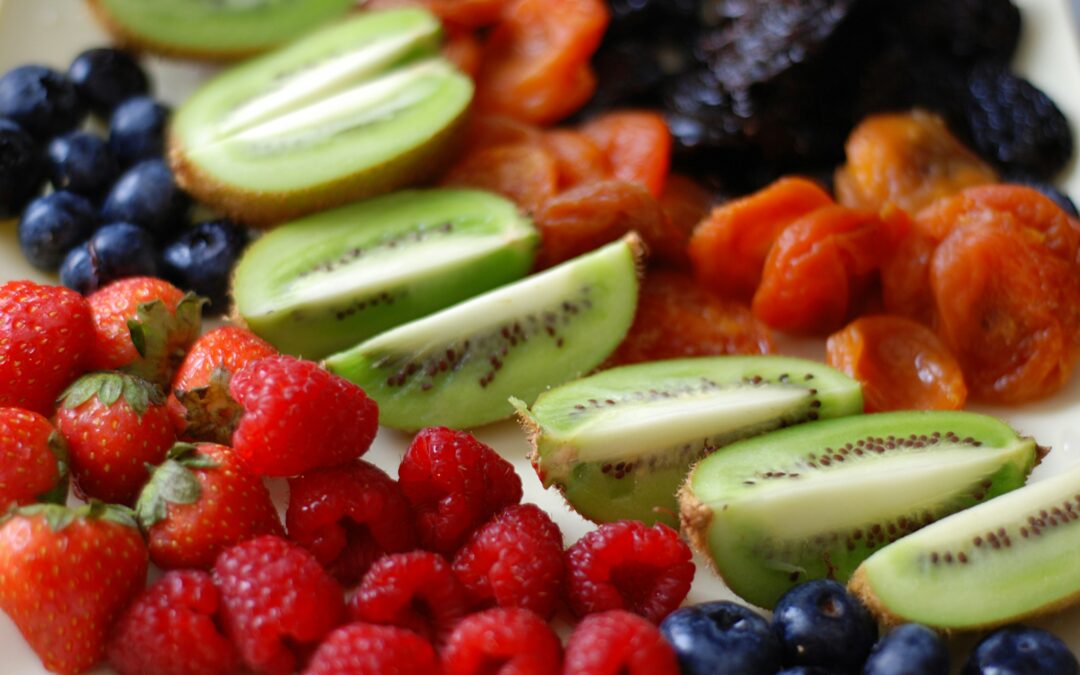
Fruits are rich in antioxidants, polyphenols, and vitamins that neutralize free radicals and calm inflammatory pathways. The most anti-inflammatory fruits include:
- Blueberries — among the highest antioxidant content of any food; rich in anthocyanins
- Strawberries — high in vitamin C and ellagic acid, both with anti-inflammatory effects
- Cherries — especially tart cherries, which have been shown to reduce markers of inflammation and muscle soreness
- Pomegranate — contains punicalagins, some of the most potent antioxidants known
- Oranges and citrus fruits — rich in vitamin C and flavonoids
- Pineapple — contains bromelain, an enzyme with natural anti-inflammatory properties
- Avocado — rich in oleic acid and potassium; technically a fruit and one of the most nutrient-dense anti-inflammatory foods available
- Grapes — contain resveratrol, particularly in red and purple varieties
🥦 Vegetables
Vegetables are the foundation of any anti-inflammatory diet. Aim for a wide variety and as many colors as possible — each color represents different phytonutrients with different anti-inflammatory mechanisms.
- Leafy greens — spinach, kale, Swiss chard, arugula, collard greens; rich in vitamins K, C, and folate
- Broccoli — contains sulforaphane, a powerful compound that activates the body’s own antioxidant defenses
- Brussels sprouts and cabbage — cruciferous vegetables with strong anti-inflammatory and detoxifying properties
- Beets — rich in betalains, a unique class of antioxidant pigments with anti-inflammatory effects
- Sweet potatoes — high in beta-carotene and vitamin C
- Tomatoes — rich in lycopene, especially when cooked
- Bell peppers — particularly red peppers, which have more vitamin C than oranges
- Garlic and onions — contain quercetin and organosulfur compounds with potent anti-inflammatory effects
- Mushrooms — contain ergothioneine and beta-glucans, compounds that modulate immune and inflammatory responses
- Asparagus — a natural prebiotic that supports gut health, which is closely tied to systemic inflammation
🐟 Proteins
The quality and source of your protein matters enormously for inflammation. The best anti-inflammatory protein sources include:
- Wild-caught salmon — one of the richest sources of omega-3 fatty acids EPA and DHA, which are among the most powerful natural anti-inflammatories known
- Sardines and mackerel — also rich in omega-3s and more sustainable and affordable than salmon
- Pasture-raised eggs — contain omega-3s and choline; the quality of the egg depends heavily on how the chicken was raised
- Grass-fed beef — has a healthier omega-3 to omega-6 ratio than conventional grain-fed beef
- Legumes — beans, lentils, and chickpeas provide plant protein along with fiber and polyphenols that feed beneficial gut bacteria
- Walnuts — the only nut with significant omega-3 content (ALA); also rich in polyphenols
🫒 Healthy Fats and Oils
Fat quality is one of the most impactful dietary factors in inflammation. Industrial seed oils (canola, soybean, corn, sunflower) are high in omega-6 fatty acids that promote inflammation when consumed in excess. Replace them with:
- Extra virgin olive oil — contains oleocanthal, a compound with effects similar to ibuprofen at the molecular level; use for low-heat cooking and dressings
- Avocado oil — stable at high heat and rich in oleic acid; excellent for cooking
- Coconut oil — contains medium-chain triglycerides (MCTs) with antimicrobial and anti-inflammatory properties; use in moderation
- Flaxseed oil — rich in ALA omega-3s; use cold, never heat
🌾 Whole Grains and Fiber
Refined grains (white bread, white rice, white pasta) spike blood sugar and promote inflammation. Whole, minimally processed grains provide fiber that feeds beneficial gut bacteria and helps regulate inflammatory pathways:
- Oats — contain beta-glucan fiber with proven immune-modulating effects
- Quinoa — a complete protein and rich in antioxidants; technically a seed
- Brown rice — more nutrients and fiber than white rice
- Buckwheat — rich in rutin, a flavonoid with anti-inflammatory and cardiovascular benefits
- Barley — one of the highest fiber grains available
🌿 Herbs and Spices
Some of the most potent anti-inflammatory compounds on earth are found in herbs and spices. These are not just for flavor — they are functional medicine in your spice cabinet:
- Turmeric — curcumin, turmeric’s active compound, is one of the most studied natural anti-inflammatories; absorb it better by pairing with black pepper and a healthy fat. Browse turmeric supplements on Amazon →
- Ginger — inhibits the same inflammatory pathways as NSAIDs (like ibuprofen), but gently and without side effects
- Cinnamon — lowers blood sugar and has meaningful anti-inflammatory effects; especially beneficial for insulin resistance
- Rosemary — contains carnosic acid and rosmarinic acid, both potent antioxidants
- Cloves — one of the highest antioxidant foods measured by ORAC value
- Cayenne pepper — capsaicin inhibits a key inflammatory messenger called Substance P
- Oregano — rich in carvacrol and rosmarinic acid with antimicrobial and anti-inflammatory properties
🍵 Beverages
- Green tea — rich in EGCG, one of the most studied anti-inflammatory catechins
- Matcha — concentrated green tea with even higher levels of EGCG
- Ginger tea — warming, digestive, and anti-inflammatory
- Hibiscus tea — reduces blood pressure and inflammation; rich in anthocyanins
- Bone broth — rich in collagen, glycine, and minerals that support gut integrity and reduce systemic inflammation. Browse bone broth on Amazon →
- Water — chronic dehydration elevates inflammatory markers; adequate hydration is foundational
🍫 Extras Worth Mentioning
- Dark chocolate (70%+ cacao) — rich in flavonoids; a small daily amount has measurable anti-inflammatory effects
- Apple cider vinegar — supports blood sugar regulation and gut health, both tied to inflammation
- Fermented foods — kimchi, sauerkraut, kefir, miso, and yogurt with live cultures support the gut microbiome, which is the command center of your immune and inflammatory systems
Foods to Avoid (The Pro-Inflammatory List)
Knowing what to add is powerful. Knowing what to remove is equally important. The biggest dietary drivers of chronic inflammation are:
- Refined sugars and high-fructose corn syrup
- Industrial seed oils (canola, soybean, corn, sunflower, vegetable oil)
- Refined white flour and processed grain products
- Processed and packaged foods with long ingredient lists
- Artificial trans fats (partially hydrogenated oils)
- Excessive alcohol
- Processed meats (hot dogs, deli meats, sausages)
- Artificial additives, colorings, and preservatives
A helpful rule of thumb: if God made it, it’s likely anti-inflammatory. If man made it in a factory, approach with caution.
How to Start an Anti-Inflammatory Diet Without Overwhelm
You don’t need to overhaul everything overnight. Small, consistent shifts compound into meaningful change. Here’s a gentle way to start:
- Week 1: Add a handful of berries to your breakfast every day and swap your cooking oil to extra virgin olive oil or avocado oil
- Week 2: Add one leafy green salad per day and replace one processed snack with nuts or a piece of fruit
- Week 3: Swap refined grains for whole grain versions and add turmeric and ginger to your cooking
- Week 4: Add a fermented food daily and begin reducing sugary beverages, replacing with herbal tea or water
By the end of one month of small, stackable changes, most people report more energy, less bloating, clearer skin, and reduced aches and pains — before they’ve even made dramatic changes.
Frequently Asked Questions
How quickly do anti-inflammatory foods work?
Some people notice improvements in energy, digestion, and joint discomfort within 1–2 weeks of consistently eating more anti-inflammatory foods. Measurable reductions in inflammatory markers (like CRP) typically show up in blood tests within 4–8 weeks of consistent dietary change.
Is the Mediterranean diet anti-inflammatory?
Yes — the Mediterranean diet is one of the most researched anti-inflammatory eating patterns in the world. It emphasizes olive oil, fish, vegetables, fruits, legumes, whole grains, and herbs — nearly all of which appear on this list. It is widely regarded by researchers as one of the best dietary approaches for reducing chronic disease risk.
Are eggs anti-inflammatory?
Pasture-raised and omega-3 enriched eggs are generally considered anti-inflammatory due to their nutrient profile. Conventional eggs from grain-fed hens have a less favorable omega-3 to omega-6 ratio, which may be more neutral or mildly pro-inflammatory for some people. Quality matters here.
What is the single most anti-inflammatory food?
There’s no single “best” food — anti-inflammatory eating is about the overall pattern, not any one food. That said, wild-caught fatty fish (like salmon and sardines), extra virgin olive oil, turmeric, and berries consistently appear at the top of research lists for their anti-inflammatory potency.
A Closing Thought
Genesis 1:29 tells us: “I give you every seed-bearing plant on the face of the whole earth and every tree that has fruit with seed in it. They will be yours for food.” Long before modern nutrition science existed, God provided everything we need to nourish and protect these bodies He made.
Eating anti-inflammatory foods isn’t a diet. It’s a return — to the whole, real, God-made foods your body was designed to thrive on. Every meal is an opportunity to care for yourself. You are worth that care.
Print this list, save it to your phone, and share it with someone who needs it. Subscribe below for more natural health guidance every week.
Medical Disclaimer: This post is for informational purposes only and does not constitute medical advice. Please consult your doctor or healthcare provider before making significant dietary changes, especially if you have a chronic health condition or take medication.