
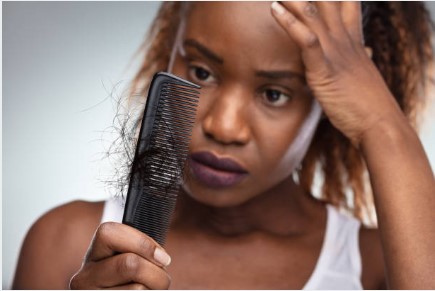
Loss of hair mass is painful indeed. And even if it doesn’t affect your physical health, it often has a considerable emotional toll. Genetics, fungal scalp conditions, auto-immune conditions, and hormonal imbalances are all causes of hair loss.
Thankfully, there are many ways to combat hair loss naturally. Here are six gentle, evidence-backed methods worth exploring:
1. Scalp massage with essential oils
When essential hair oils like lavender and coconut are used to massage the scalp, the stimulation improves hair mass. Since it also improves blood flow, circulation to the hair follicles will increase along with access to vital nutrients.
It’s also believed that stretching while massaging the scalp influences hair growth in the dermal papilla cells. These cells are located at the bottom of the follicles and play a significant role in hair growth, regrowth, and shedding.
Use your fingertips to massage your scalp in small circles for about five minutes daily. If stress and tension are contributing to your hair loss, regular scalp massage helps address both issues at once.
2. Aloe vera
Aloe vera is a home remedy excellent for many ailments, including hair loss. It’s soothing for the scalp, reduces dandruff, and controls excessive oil blockage in the hair follicles. You can combine a cup of aloe vera gel with two tablespoons of hibiscus flower paste.
This mask should be applied to the hair and left overnight. It’s also excellent for split ends, which are among the contributing causes of hair loss and thinning.
3. Coconut oil
Coconut oil is packed with lauric acid, a fatty acid that reduces protein loss when it penetrates deeply into the hair shaft. You can apply this treatment before or after washing your hair. Alternatively, it can be worn as a mask and left overnight.
If your hair is dry, use it as a leave-in treatment. Coconut oil lubricates the scalp and hair shaft and reduces breakage — particularly helpful for women over 40 whose hair tends to become drier and more brittle with hormonal changes.
4. Fish oil (omega fatty acids)
Omega fatty acids improve hair growth internally because they’re fortified with proteins and nourish the follicles from within. Supplements can be your source, and combining them with antioxidants helps prevent further hair loss while enhancing growth.
Proteins are among the most significant components of hair, so a protein-rich diet will certainly support healthier, fuller growth. As always, consult with your healthcare provider before starting any new supplement.
5. Ginseng
Ginseng supplements encourage hair growth by stimulating the follicles. The body converts a percentage of testosterone into a component called dihydrotestosterone (DHT) daily — however, an overproduction causes hair follicles to shrink, shortens the hair growth cycle, and may increase shedding.
Aside from increasing the hair dermal papilla cells responsible for growth, ginseng also helps regulate the excessive production of DHT, restoring your hair growth cycle naturally.
6. Onion juice
The smell of onion juice often deters people from enjoying its benefits to the hair. Studies have shown it treats patchy alopecia areata and promotes hair growth. Onion juice also improves circulation, which transports nutrients to the follicles — when they’re well nourished, hair mass is supported.
Blend some onions and extract the juice for your hair. Apply it generously and leave for fifteen minutes, then shampoo thoroughly.
Looking for a clinically studied supplement for hair thinning?
While the home remedies above are wonderful starting points, women experiencing significant hair thinning after 40 — often driven by hormonal changes, stress, or nutritional gaps — may benefit from a targeted supplement formulated specifically for this stage of life.
Nutrafol Women’s Balance is one of the most clinically studied hair growth supplements available, specifically formulated for women going through perimenopause and menopause. It addresses the root causes of hair thinning including hormones, stress, metabolism, and nutrition — rather than just targeting the scalp topically.
It’s physician-formulated, drug-free, and has been shown in clinical studies to improve hair growth, thickness, and overall scalp coverage. Many women begin to see results within three to six months of consistent use.
Disclosure: As an Amazon Associate, I earn from qualifying purchases. Some links in this post are affiliate links, which means I may earn a small commission at no extra cost to you. I only recommend products I believe genuinely support your wellness journey.