
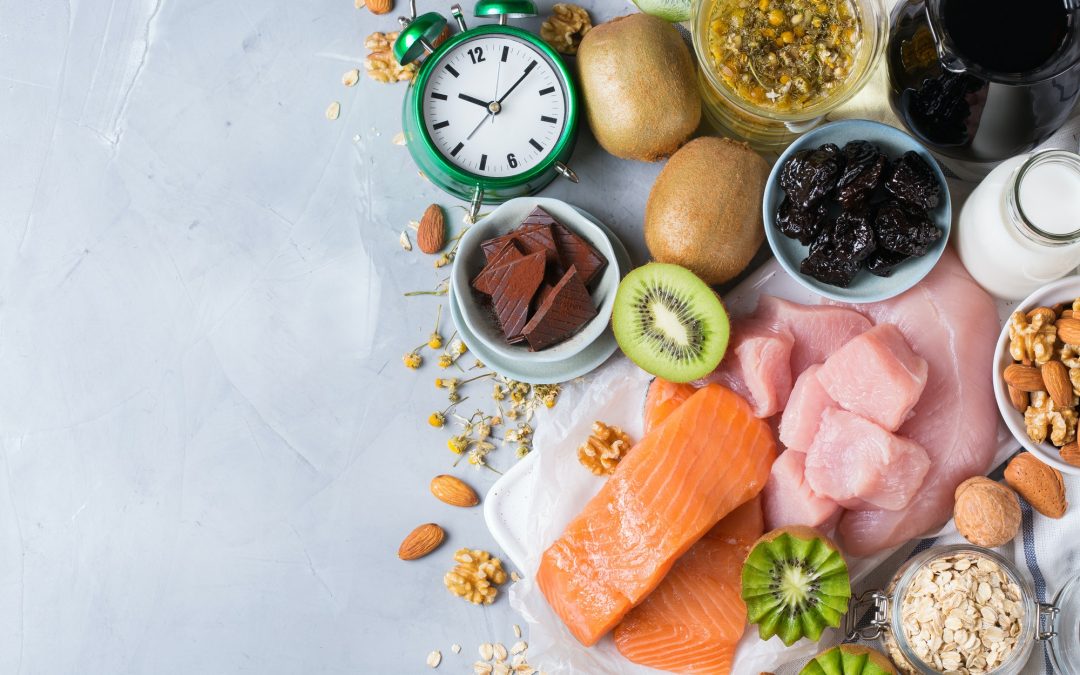
The benefits of sleeping well are numerous — it helps with brain development, boosts the immune system, and reduces your risk of some chronic diseases.
Many people struggle to get the recommended seven to nine hours of sleep, but it can be corrected by eating well. Alcohol, caffeine, spicy food, and high glycemic index foods can affect your sleep, and so can your nightly routines.
A thoughtful modification of your diet may significantly improve your sleep quality. Here are nine foods and drinks worth adding to your evening routine:
1. Kiwi
Research hasn’t fully confirmed why kiwi improves the quality of sleep, but studies have shown clear effects from consuming it before bed. This fruit is loaded with vitamins C and E, potassium, folate, and other nutrients that support deeper, more restful sleep.
2. Almonds
Almonds help you sleep better in two important ways. First, they and some other tree nuts naturally produce melatonin — the hormone that regulates your internal sleep clock and signals when it’s time to wind down.
Second, almonds are a good source of magnesium, which improves sleep quality by reducing cortisol production. Chronically elevated cortisol is one of the primary sleep disruptors for women over 40. Try a small handful of almonds about an hour before bed.
If you find you need additional magnesium support beyond diet alone, a magnesium glycinate supplement taken in the evening is one of the most gentle and effective options available.
3. Turkey
Many people can testify to feeling full and pleasantly sleepy after a turkey meal. It can be attributed to tryptophan, an amino acid that increases melatonin production naturally. Turkey is a nourishing option when you can’t sleep — it’s filling, protein-rich, and gently sedating.
4. Chamomile tea
Chamomile tea is loaded with apigenin, an antioxidant that binds to receptors in the brain associated with reducing anxiety and initiating sleep. It promotes sleepiness without any dependency or grogginess the next morning.
Studies showed that people who drank chamomile tea before bed fell asleep faster and slept more soundly than those who didn’t. It’s one of the simplest and most comforting additions to a bedtime routine.
5. Tart cherry juice
Tart cherry juice is one of the most studied natural sleep aids available. It’s packed with potassium, magnesium, and phosphorus — and crucially, it contains one of the highest natural concentrations of melatonin found in any food source.
Drinking tart cherry juice before bed promotes sleepiness and has been shown in clinical studies to meaningfully increase sleep duration and quality, particularly in older adults.
6. Malted milk
Milk is an excellent natural source of melatonin, and malted milk in particular has been shown in studies to reduce nighttime sleep disruptions — likely due to its vitamins B and D content. A warm glass before bed is a timeless, comforting sleep ritual that actually has science behind it.
7. Fatty fish
Fatty fish like salmon, mackerel, and sardines have many health benefits, including meaningfully improving sleep quality. They provide omega-3 fatty acids and vitamin D, both of which contribute to your body’s serotonin production — and serotonin is the direct chemical precursor to melatonin.
A serving of fatty fish at dinner a few nights a week can have a noticeable cumulative effect on your sleep over time.
8. White rice
This common staple food can also help regulate your sleep. Studies have shown that people who consume foods with a higher glycemic index, like white rice, tend to fall asleep more easily. Eat it about an hour before bed — but as with all high-glycemic foods, be mindful of portion size and overall consumption.
9. Herbal sleep teas and blends
Beyond chamomile, a range of herbal teas have been used for centuries to promote calm and restful sleep. Passionflower, valerian root, lemon balm, and lavender are all well-regarded options with growing evidence behind them.
Purpose-formulated sleep tea blends combine several of these herbs for a more comprehensive effect — making a warm cup part of your wind-down ritual signals to your nervous system that it’s time to rest.
Want a more comprehensive sleep support supplement?
If dietary changes alone aren’t moving the needle on your sleep quality, a targeted sleep supplement may help fill the gaps — especially for women over 40 whose sleep disruptions are often driven by hormonal fluctuations, elevated cortisol, or magnesium deficiency.
Look for formulas that combine magnesium glycinate, L-theanine, and ashwagandha — this trio addresses the three most common sleep disruptors simultaneously: mineral deficiency, an overactive mind, and elevated cortisol. Many women find this combination noticeably more effective than melatonin alone, which can lose effectiveness over time.
Disclosure: As an Amazon Associate, I earn from qualifying purchases. Some links in this post are affiliate links, which means I may earn a small commission at no extra cost to you. I only recommend products I believe genuinely support your wellness journey.